A step-by-step crisis playbook for business owners and managers who need to act fast, recover safely, and prevent the next hit.
Ransomware attacks are very common, and their prevalence is only growing. Verizon’s 2025 Data Breach Investigations Report shows ransomware was involved in 44% of attacks in the past year, up 37% from the previous year. If you’re reading this because your systems are locked right now, that statistic means one thing: you are not alone, and there is a clear path through this.
A well-practiced response plan does two critical things: it reduces panic because everyone knows their role, and it speeds containment because pre-defined isolation procedures stop ransomware from spreading to your backup systems. The difference between a manageable recovery and a business-ending catastrophe often comes down to the decisions made in the first 60 minutes.
This guide provides you with practical, step-by-step ransomware attack help, from the moment you discover the breach through forensic recovery, legal obligations, and hardening your defenses so history doesn’t repeat itself. Whether you’re a small business owner or managing an enterprise team, this playbook is built for you.
Key Takeaways
- Speed of containment is everything: Without a clear plan, teams waste critical hours figuring out next steps while ransomware spreads. Isolating infected systems within the first 15 minutes is your single highest-impact action.
- Most victims don’t fully recover their data after paying: Nearly half of attacked organizations paid the ransom, but 57% of all victims recovered less than half their data, and only 10% recovered more than 90%. Therefore, your backups are your best bet, not the ransom.
- The average attack costs $1.53 million in recovery alone: The global average cost to recover from a ransomware attack (excluding ransom) fell 44% to $1.53 million in 2025 (Sophos). If you’re not investing in prevention and tested backups now, you’re accepting a much larger bill later.
- Small and medium businesses are prime targets: Over two-thirds of ransomware attacks between 2024 and 2025 targeted businesses with fewer than 500 personnel. Therefore, every business – regardless of size – needs an emergency response plan.
- Law enforcement reporting is mandatory in many cases: Critical infrastructure entities must report to CISA within 72 hours under CIRCIA. Public companies have 4 business days to disclose to the SEC if the incident is material. GDPR requires notification within 72 hours for EU data subjects. Missing these windows can compound your legal and financial exposure.
Quick-Start Prioritization Framework
Use this table to identify your most urgent first actions based on your situation:
| Scenario | Immediate Priority | Effort Level | Expected Timeline |
|---|---|---|---|
| Active encryption in progress | Network isolation (pull cables, disable Wi-Fi) | Low / Urgent | < 15 minutes |
| Ransom note discovered, encryption may be complete | Preserve evidence, isolate systems, call IT/MSP | Medium | 1 – 2 hours |
| Attack confirmed, backups available | Assess backup integrity, begin restoration process | Medium | 24 – 72 hours |
| Attack confirmed, backups compromised | Engage an incident response firm, explore decryption tools | High | 1 – 4 weeks |
| Recovery complete, post-incident phase | Forensic audit, patch gaps, compliance reporting | High | 2 – 8 weeks |
Start here if you’re:
- A small business (no IT team): Call your MSP or IT provider immediately, then isolate all infected machines from the network while you wait.
- A mid-sized company (IT team in-house): Activate your incident response plan, assign roles, and begin network isolation in parallel with management notification.
- An enterprise organization: Trigger your pre-defined RACI matrix and chain of command immediately. Every minute of delay has a measurable cost.
- Unsure if you’ve been hit: Look for sudden file name changes (e.g.,
.encryptedor.lockedextensions), inaccessible files, or a ransom note on your desktop. These are classic indicators.
Pro Tip: After an initial compromise, malicious actors may monitor your organization’s activity or communications to understand if their actions have been detected. Isolate systems in a coordinated manner and use out-of-band communication methods such as phone calls to avoid tipping off actors that they have been discovered. Never announce your response over company email or messaging platforms until the threat is contained.
Step 1: The First 15 Minutes – Isolate and Contain
Disconnect Everything from the Network
Because the most common ransomware variants scan networks for vulnerabilities to propagate laterally, it’s critical that affected systems are isolated as quickly as possible. Think of a network-connected ransomware infection like a gas leak – your job is to shut off the source before anything ignites.
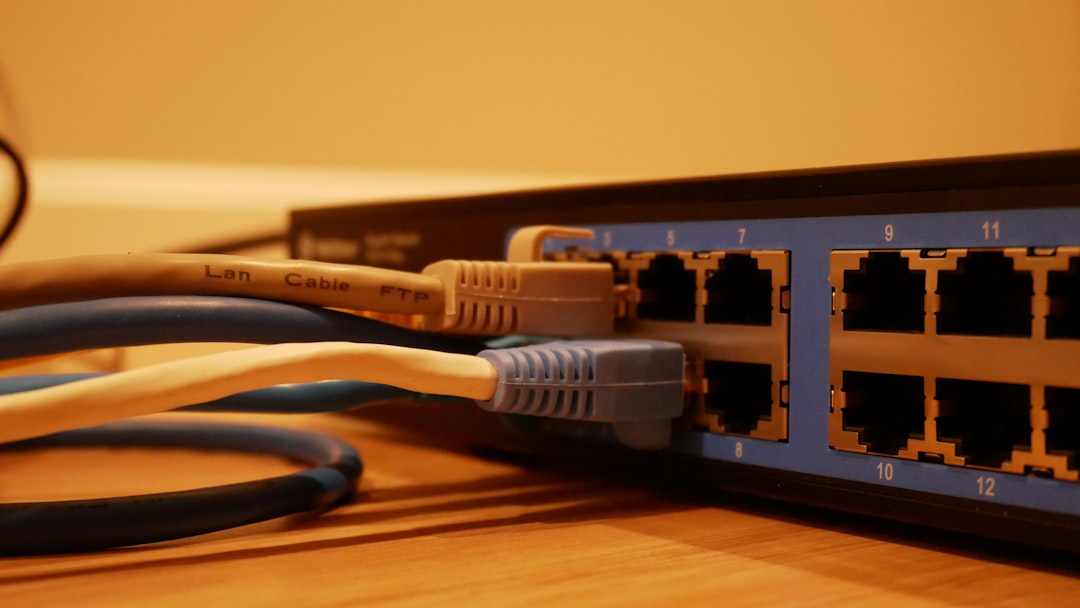
Disconnect and quarantine any infected or potentially infected devices from the rest of the network immediately. PCs, laptops, smartphones, and other endpoints should be isolated from both wired and wireless networks. In serious cases where the malware has had a chance to penetrate further into the network before discovery, you may even need to disable core network connections at the switch level and disconnect from the internet altogether.
Disconnect Ethernet and disable Wi-Fi, Bluetooth, and any other network capabilities for any infected or potentially infected device. If you cannot safely disconnect a device, power down the device to avoid further spread of the ransomware infection.
Protect Your Cloud Resources Immediately
For cloud resources, take a snapshot of volumes to obtain a point-in-time copy for later review during a forensic investigation. Many business owners forget that ransomware can propagate from local systems to connected cloud environments such as Microsoft 365, Google Workspace, or Dropbox if those accounts are authenticated on infected machines. Revoke active sessions and change cloud account credentials from a clean, uninfected device.
Disable Automated Maintenance Tasks
Immediately disable automatic tasks, such as deleting temporary files or rotating logs, on affected systems. These tasks might interfere with files and hamper ransomware investigation and recovery. This is one of the most commonly overlooked steps. Scheduled cleanup tasks can destroy the forensic evidence your IT team or law enforcement will need later.
Step 2: Assess the Damage – Know What You’re Dealing With
Identify the Scope of the Attack
Identify and assess scope and impact. Determine which systems, applications, and data have been touched by the ransomware, as well as whether or not your data has been stolen. Make a written list immediately. Which departments are affected? Which systems are fully encrypted versus partially accessible? Which servers appear clean?
Creating a comprehensive inventory of all hardware and software assets within the organization is vital for effective incident response. This inventory helps quickly identify affected systems and gauge the scope of a ransomware attack, thereby expediting containment and eradication.
Identify the Ransomware Strain
Several free tools can help identify the type of ransomware infecting your devices. Knowing the specific strain can help you understand several key factors, including how it spreads, what files it locks, and how you might remove it.
The No More Ransom Project, a joint initiative by Europol and major cybersecurity companies, provides free decryption tools for dozens of known ransomware strains. Once you’ve identified the ransomware strain, consider looking for decryption tools. There are free tools to help with this step, including sites like No More Ransom. Simply plug in the name of the ransomware strain and search for the matching decryption.
Photograph and Document Everything
Take a photo of the ransomware message. Remember that ransomware is a crime. Document every ransom note, every suspicious log entry, and every system that appears affected. This documentation is critical for law enforcement, your cyber insurance claim, and any regulatory reporting you may be required to file.
Pro Tip: Without documented steps, teams often wipe systems before collecting forensic evidence. Do not reformat or rebuild any infected machine until forensic investigators, internal or external, have gathered evidence. Premature cleanup destroys evidence and may violate your cyber insurance policy terms.
Step 3: Notify the Right People
Internal Escalation First
Keep management and senior leaders informed via regular updates as the situation develops. Activate your incident response chain of command. If you have a pre-defined RACI matrix – a chart assigning who is Responsible, Accountable, Consulted, and Informed – now is when it pays off. Most companies already have the technical controls. What they lack is the coordination to use them under pressure.
Relevant stakeholders to notify may include your IT department, managed security service providers, cyber insurance company, and departmental or elected leaders.
Contact Law Enforcement
Because ransomware is extortion and a crime, you should always report ransomware attacks to law enforcement officials or the FBI. The authorities might be able to help decrypt your files if your recovery efforts don’t work. But even if they can’t save your data, it’s critical for them to catalog cybercriminal activity and, hopefully, help others avoid similar fates.
Regardless of whether you or your organization has decided to pay the ransom, the FBI and CISA urge you to promptly report ransomware incidents to a local FBI field office, the FBI’s Internet Crime Complaint Center (IC3), or CISA via CISA’s 24/7 Operations Center (report@cisa.gov or 888-282-0870).
Notify Your Cyber Insurance Provider
If you have cyber insurance, contact your insurance provider immediately, as they may have specific requirements for reporting and handling ransomware incidents. Most cyber insurance policies cover ransomware, but the details matter. Some policies exclude ransom payments. Others require you to follow specific incident response procedures or use approved vendors. Calling your insurer before you act, not after, can preserve your coverage.
Pro Tip: In some cases, reporting will be a regulatory requirement, especially if the attack has successfully exfiltrated personally identifiable data. Companies subject to GDPR, for instance, must notify their relevant data protection authority within 72 hours of becoming aware of a breach or risk further financial penalties.
Step 4: Should You Pay the Ransom?
This is the question every business owner asks. The honest answer is: in most cases, no, and here’s why.
The FBI does not support paying a ransom in response to a ransomware attack. Paying a ransom doesn’t guarantee you or your organization will get any data back. It also encourages perpetrators to target more victims and incentivizes others to get involved in this type of illegal activity.
69% of businesses that paid a ransom were attacked again. That single statistic should reframe your thinking. Paying signals to attackers that you are willing and able to pay, making you a target for a second, often larger, attack.
There is also a legal dimension. Since ransomware payments do not guarantee that data will be decrypted or that systems or data will no longer be compromised, federal law enforcement does not recommend paying ransom. The Treasury Department warns that these payments risk violating Office of Foreign Assets Control (OFAC) sanctions. If the ransomware group is on a U.S. sanctions list, paying them, even unknowingly, could expose your business to serious civil penalties.
Deciding whether to make a ransom payment is complex. Most experts suggest you should only consider paying if you’ve tried all other options and the data loss would be significantly more harmful than the cost of the payment. In practice, this means exhausting backup restoration and decryption tool options first, and consulting legal counsel before any payment is made.
Step 5: Recovery – Restoring Systems Safely
Verify Backup Integrity Before Restoring
What separates companies that recover without paying from those that pay and still lose data? Clean, immutable backups and tested response plans. This is where the rubber meets the road.
When restoring from backups, make sure to disconnect the affected systems from the network to prevent reinfection. Also, verify the integrity of your backups before restoring them, as some ransomware can also target backups.
The most important resource for recovering from ransomware attacks without paying is your backups. Criminals are well aware of this, which is why many modern ransomware attacks deliberately target backup files as well, attempting to encrypt or delete them. To avoid this, ensure your backup systems are fully disconnected from the network and lock down access to them until the issue is resolved.
Prioritize Critical Systems First
Listing and prioritizing critical business functions and their assets facilitates efficient resource allocation during a ransomware attack. It guides the response team on which systems to restore first to minimize business interruption.
Reconnect systems and restore data from offline, encrypted backups, prioritizing critical services. Take care not to re-infect clean systems during recovery.
Reset Credentials and Patch Vulnerabilities
Reset all account passwords, including admin accounts and cloud services. Consider implementing multi-factor authentication (MFA) to add an extra layer of security.
Strengthen cybersecurity measures by patching vulnerabilities, enforcing strict access controls, and implementing anti-ransomware software to prevent future attacks.
Pro Tip: Malicious actors often drop ransomware variants to obscure post-compromise activity. Care must be taken to identify such dropper malware before rebuilding from backups to prevent continuing compromises. Bring in a qualified incident response firm to perform a full forensic scan before you consider the environment clean.
Step 6: Legal and Compliance Obligations
Understanding Your Reporting Deadlines
Ransomware isn’t just a technology crisis; it’s a legal and regulatory one. Missing mandatory reporting deadlines can turn a cyber crisis into a compliance catastrophe, with fines that rival or exceed the original attack costs.
Healthcare organizations face some of the strictest ransomware reporting requirements under federal law. The HIPAA Breach Notification Rule treats ransomware attacks as presumptive breaches of electronic protected health information (ePHI). When ransomware encrypts or otherwise compromises patient data, healthcare entities must report the breach to the Department of Health and Human Services within 60 calendar days, and notify affected patients within 60 days of discovering the breach.
The GDPR hits hard when ransomware strikes EU citizens’ data. You’ve got 72 hours to notify supervisory authorities and affected individuals. Non-compliance results in fines of up to 4% of global revenue.
Financial Sector and State-Level Requirements
Financial institutions operate under a dual framework of federal banking regulations and the Gramm-Leach-Bliley Act (GLBA). The Federal Financial Institutions Examination Council (FFIEC) provides specific guidance for incident reporting that banks and credit unions must follow.
Twelve U.S. states have enacted ransomware-specific laws that differ from each other. North Carolina and Florida prohibit state agencies and local governments from paying ransoms or negotiating with threat actors.
The bottom line: consult a cybersecurity attorney as early as possible in your incident response. Many cyber insurance policies include access to legal counsel as part of the response package – use it.
Building Your Ransomware-Proof Backup Strategy
The 3-2-1-1-0 Rule
I’ve found that the most overlooked part of ransomware preparedness isn’t the firewall or the EDR tool – it’s the backup strategy. The 3-2-1 rule is a foundational data protection strategy designed to reduce risk and improve recoverability. It recommends maintaining three copies of your data, including the original and at least two copies.
Modern ransomware, however, demands a stronger framework. Ransomware gangs now go after backups first, encrypting or deleting every copy before locking down your systems. That’s why the 3-2-1-1-0 backup strategy was created – to close the gaps left open by the traditional 3-2-1 strategy.
The updated 3-2-1-1-0 framework breaks down as:
- 3 copies of your data (original + 2 backups)
- 2 different storage media types (e.g., local NAS + cloud)
- 1 off-site copy
- 1 immutable or air-gapped copy, ransomware cannot reach
- 0 errors – meaning every backup is verified and tested
The 3-2-1-1 backup rule adds an offline or immutable copy that ransomware can’t reach. Offline means physically disconnected, such as a tape or an external drive stored securely off-network. Immutable means digitally locked, stored in a way that no one, not even admins, can modify or delete it for a set period.
Common Backup Mistakes to Avoid
In my experience, the most dangerous backup mistake isn’t failing to back up data; it’s failing to test those backups. One of the most important steps businesses need to take, yet fail to do so, is to test backup restoration. Backups are only as good as their ability to be restored. Far too many organizations neglect regular testing, leading to the devastating realization that backup data is inaccessible or corrupted only after a breach has occurred.
Other common mistakes include:
- Treating Google Workspace or Microsoft 365 as your backup solution. These support your retention policies, but aren’t full, immutable backups. You still need offline or unchangeable storage.
- Keeping too short a file history. Malware can hide in your system for weeks, so a 30-day default may not be long enough. Aim for 90 days or more.
- Storing all backups on the same physical network. Once malware infiltrates the network, it can easily encrypt both primary and backup data.
Pro Tip: Instead of simply encrypting active data, many ransomware variants now specifically target backup systems. Attackers understand that businesses rely on backups for recovery, so they infiltrate networks weeks or months before launching attacks, identifying and corrupting backup files. Schedule quarterly backup restoration tests – and document the results.
The Most Common Ransomware Response Mistakes
After years of tracking cybersecurity incident reports, I’ve identified clear patterns that cause organizations to fail at ransomware recovery. Avoid these at all costs.
Mistake 1: Paying Without Exploring Alternatives First
25% of attacked companies recovered without paying at all. What separated them from the paying victims? Clean, immutable backups and tested response plans. Before you pay a single dollar, exhaust every alternative – free decryption tools, backup restoration, law enforcement assistance.
Mistake 2: Wiping Systems Before Forensics
Your instinct may be to clean everything immediately and start fresh. Resist it. The first steps include identifying and isolating affected systems, securely backing up remaining unaffected data, and beginning an investigation into how the breach occurred. Additionally, communicate with stakeholders about the incident. Destroying evidence before forensics are complete prevents you from understanding the attack vector and leaves the door open for another attack.
Mistake 3: Not Testing the Incident Response Plan Before You Need It
Nearly 98% of organizations reported having a playbook for responding to ransomware attacks. Unfortunately, less than half of organizations have the essential elements required to execute that response playbook effectively. Having a plan that exists only on paper is nearly as dangerous as having no plan at all. Regular drills and simulations can help prepare the organization for a real-world attack, ensuring a swift and coordinated response.
Mistake 4: Neglecting Employee Awareness Training
The most common technical cause of attacks is the exploitation of vulnerabilities (28%), followed by phishing (24%) and compromised credentials (21%). Two of the top three attack vectors involve human behavior. If your team can’t recognize a phishing email or a suspicious link, no firewall can fully protect you. Regular security awareness training is not optional.
Mistake 5: Underestimating the Recovery Timeline
The average downtime a company experiences after a ransomware attack is 24 days (Statista). Therefore, your business continuity plan must account for at least a month of degraded or manual operations. Companies that assume a 48-hour recovery and plan accordingly often find themselves weeks behind schedule, bleeding revenue.
Pro Tip: A well-defined cyber recovery plan minimizes downtime, helps to enable continuous business, and reduces the risk of reinfection. It creates a framework for increasing your organization’s cyber resilience – the ability to restore access to functionality of critical IT systems and data in the event of a cyberattack.
Post-Recovery: Hardening Your Defenses for the Future
Recovery is not the finish line – it’s the starting line for better security. Document lessons learned from the incident and associated response activities to inform updates to organizational policies, plans, and procedures, and guide future exercises.
Key post-recovery actions include:
- Conduct a full forensic audit to identify how attackers gained initial access. Was it phishing? Stolen VPN credentials? An unpatched vulnerability? Nearly 50% of ransomware attacks in Q3 2025 used stolen VPN credentials. Patch that exact vector immediately.
- Implement multi-factor authentication (MFA) across all remote access, VPNs, and email systems. MFA is the single highest-ROI security control for preventing credential-based intrusion.
- Deploy Endpoint Detection and Response (EDR) tools. EDR tools provide real-time monitoring, behavioral analytics, and automated response to identify early-stage infections. EDR can help detect fileless malware and lateral movement and, in many cases, integrate threat intelligence and perform remote containment.
- Consider a managed security service. Businesses like Datacate, Inc. provide infrastructure and managed hosting solutions that can form a critical part of your resilience strategy – ensuring your data environments are secured, redundant, and backed by professionals who understand the threat landscape.
- Review your cyber insurance policy. Check whether your policy covers business interruption, forensic investigation costs, and notification expenses. Many businesses discover gaps only after filing a claim.

Frequently Asked Questions
What is the very first thing I should do if I suspect a ransomware attack?
The first hour after a ransomware attack is critical. Your immediate actions should include containment: prioritize and disconnect infected systems from the network to prevent further spread. Do this before calling anyone, because every second of connectivity gives the ransomware more time to spread. Once infected systems are isolated, then call your IT team, MSP, or cybersecurity provider.
Should I pay the ransom to get my data back?
The FBI does not support paying a ransom in response to a ransomware attack. Paying a ransom doesn’t guarantee you or your organization will get any data back. Additionally, 69% of businesses that paid a ransom were attacked again. Exhaust all backup restoration options and explore free decryption tools at No More Ransom before considering payment. If you do pay, consult a cybersecurity attorney first to avoid violating OFAC sanctions.
How long does ransomware recovery typically take?
Recovery time varies dramatically based on preparation. Companies with tested response plans and clean offline backups can restore critical systems within days. The average downtime a company experiences after a ransomware attack is 24 days (Statista). Without adequate backups, many recoveries can take more than a year when backups are compromised.
Am I legally required to report a ransomware attack?
It depends on your industry, location, and the nature of the data affected. Healthcare organizations face some of the strictest ransomware reporting requirements under federal law. The HIPAA Breach Notification Rule treats ransomware attacks as presumptive breaches of electronic protected health information (ePHI). Beyond healthcare, public companies have 4 business days to disclose to the SEC if the incident is material, and the GDPR requires notification within 72 hours to EU data subjects. Consult a cybersecurity attorney immediately if you are unsure of your obligations.
Can ransomware spread to my cloud storage and backups?
Yes – if those services are connected to infected systems. Many modern ransomware attacks deliberately target backup files, attempting to encrypt or delete them. If cloud accounts are connected to infected systems without proper security controls, ransomware can propagate. Ensure backups are isolated and secure. This is precisely why immutable, air-gapped backups are critical.
How do attackers typically get into a business network in the first place?
The most common technical causes of attacks are exploited vulnerabilities (28%), followed by phishing (24%) and compromised credentials (21%). Additionally, SecurityScorecard research from 2025 shows that 41.4% of ransomware attacks begin with third parties, meaning your vendors and supply chain partners can be your weakest link even when your own defenses are solid.
What can I do right now to prevent a ransomware attack?
Regular software updates, external monitoring, advanced threat protection solutions, employee education, effective backup and recovery planning, network segmentation, EDR, and a solid incident response plan are essential components of a comprehensive ransomware defense strategy. Start with the basics: patch all software, enable MFA on all accounts, run phishing awareness training, and test your backups quarterly. For businesses that want expert guidance and managed infrastructure support, Datacate, Inc. offers colocation and hosting solutions built for resilience.
The Bottom Line
Ransomware is not an “if” – it’s a “when.” Comparitech data shows 7,419 ransomware attacks worldwide in 2025, with businesses bearing the brunt and accounting for 6,292 attacks, a 35% increase from 2024. The only question is whether your business will be among those that recover quickly and cleanly, or those that spend weeks offline and hundreds of thousands of dollars trying to piece things back together.
The businesses that survive ransomware attacks share common traits: they isolated fast, they had tested backups, they knew their legal obligations, and they had a team (internal or external) ready to execute under pressure. This guide is your starting point for becoming one of those businesses.
If you need help building that infrastructure, from resilient, professionally managed hosting environments to colocation solutions that keep your most critical data protected, Datacate, Inc. is ready to help you build the foundation before the crisis, not during it.
Sources
- Verizon 2025 Data Breach Investigations Report – Verizon Business. Ransomware presence in 44% of breaches, up 37% year-over-year. https://www.verizon.com/business/resources/reports/dbir/
- 2025 Ransomware Trends: From Risk to Resilience – Veeam. Organization preparedness and response strategy findings. https://www.veeam.com/blog/ransomware-trends.html
- 6-Phase Ransomware Response Plan – Breachsense. Sophos 2025 State of Ransomware data and response guidance. https://www.breachsense.com/blog/ransomware-attack-response-plan/
- Ransomware Statistics, Data, Trends, and Facts (2026) – Varonis. Comprehensive ransomware cost and frequency data. https://www.varonis.com/blog/ransomware-statistics
- #StopRansomware Guide – CISA. Official U.S. government ransomware response checklist. https://www.cisa.gov/stopransomware/ransomware-guide
- I’ve Been Hit by Ransomware! – CISA. Step-by-step immediate response guidance. https://www.cisa.gov/stopransomware/ive-been-hit-ransomware
- Ransomware | Federal Bureau of Investigation – FBI. Official FBI guidance on reporting and ransom payment decisions. https://www.fbi.gov/how-we-can-help-you/scams-and-safety/common-frauds-and-scams/ransomware
- How to Recover From a Ransomware Attack – IBM. Technical recovery steps and incident response guidance. https://www.ibm.com/think/insights/ransomware-response
- Ransomware Statistics 2025 – Fortinet. SMB targeting trends and attack frequency data. https://www.fortinet.com/resources/cyberglossary/ransomware-statistics
- Fact Sheet: Ransomware and HIPAA – U.S. Department of Health and Human Services. HIPAA compliance and breach notification requirements. https://www.hhs.gov/hipaa/for-professionals/security/guidance/cybersecurity/ransomware-fact-sheet/index.html
- Legal Implications of Ransomware Attacks – Sentree Systems. GDPR, CIRCIA, SEC, and state-level reporting obligations. https://sentreesystems.com/legal-implications-of-ransomware-attacks/
- 5 Ransomware Reporting Rules Specific Industries Must Follow – Kazmarek. Sector-specific compliance requirements. https://www.kazmarek.com/2025/08/27/5-ransomware-reporting-rules-specific-industries-must-follow/
- 500+ Ransomware Statistics for 2026 – Bright Defense. Ransom payment trends, recovery rates, and attack vectors. https://www.brightdefense.com/resources/ransomware-statistics/
- The Latest Small Business Ransomware Statistics – Programs.com. Recovery costs, payment data, and SMB impact. https://programs.com/resources/small-business-ransomware-stats/
- 3-2-1 Backup Rule Explained – Veeam. Modern backup strategy framework for ransomware resilience. https://www.veeam.com/blog/321-backup-rule.html
- The 3-2-1-1-0 Backup Rule for Ransomware Protection – i3 Business Solutions. Immutable backup and air-gap strategies. 3-2-1 Backup Rule Explained – Veeam. Modern backup strategies including the 3-2-1-1-0 rule with immutable and air-gap protection. https://www.veeam.com/blog/321-backup-rule.html
- Global Ransomware Attacks Rose 32% in 2025 – Industrial Cyber. Comparitech data on attack volumes by sector. https://industrialcyber.co/reports/global-ransomware-attacks-rose-32-in-2025-as-manufacturers-emerged-as-top-target/
- Ransomware Response: Best Practices for Businesses – BlackFog. Six-step response framework and isolation procedures. https://www.blackfog.com/ransomware-response-best-practices-for-businesses/
- 46 Ransomware Statistics and Trends Report 2026 – VikingCloud. SMB attack rate data and sector targeting analysis. https://www.vikingcloud.com/blog/ransomware-statistics
- How to Recover from a Ransomware Attack – SentinelOne. Containment, eradication, and recovery phases. https://www.sentinelone.com/cybersecurity-101/cybersecurity/ransomware-recovery/