By the team at Datacate, Inc.

Every 39 seconds, a cyberattack strikes somewhere in the world. Cyberattacks occur at an alarming rate of over 2,200 times daily, and businesses that assume they’re too small, too obscure, or too specialized to be targeted are betting their survival on wishful thinking. The global average cost of a data breach crossed $4.88 million in 2024, and that figure isn’t just a statistic for Fortune 500 board meetings. It’s the kind of number that permanently closes small businesses.
This is where a network security assessment becomes your most valuable investment. Whether you run a growing startup, a regional healthcare practice, or a mid-sized company expanding into cloud infrastructure, a proper assessment tells you exactly where you stand, and more importantly, what you need to fix before an attacker finds it first.
This guide breaks down what a network security assessment entails, how to prioritize what matters most for your specific situation, and which network security basics every organization needs in place right now. We’ll also cover the stakes for healthcare network security, specifically the anatomy of a network security breach, and how endpoint security basics connect to your broader defense strategy.
Key Takeaways
- Breaches are more expensive than prevention: The global average cost of a data breach crossed $4.88 million in 2024, meaning the cost of a proper assessment is a fraction of the cost of doing nothing. Every dollar spent on proactive security dramatically outweighs the cost of reactive recovery.
- Speed of detection is your biggest lever: It takes an average of 241 days for security teams to identify and contain a data breach, according to the IBM Cost of a Data Breach Report 2025. If you don’t have continuous monitoring in place, start there immediately.
- Small businesses are primary targets: According to recent cybersecurity reports, 43% of cyberattacks specifically target small businesses, and the average cost of a data breach for companies with fewer than 500 employees exceeds $2.98 million. Don’t wait until you’ve scaled to invest in security.
- Human error drives the majority of incidents: 88% of cybersecurity breaches are caused by human error. A network security assessment must evaluate people and policies, not just technology.
- Healthcare faces disproportionate risk: The average cost of a healthcare data breach hit $11.2 million in 2025, a 35% jump over three years. Healthcare organizations must treat network security assessments as a compliance and patient-safety imperative, not just an IT project.
Quick-Start Prioritization Framework
Before diving into the full assessment process, use this framework to identify where to focus first based on your organization’s situation.
| Strategy | Best For | Effort Level | Time to Results |
|---|---|---|---|
| Asset Inventory & Discovery | All businesses, especially those without documentation | Low | Days |
| Vulnerability Scanning | Any org with 3+ months since last scan | Low – Medium | 1 – 2 Weeks |
| Penetration Testing | Regulated industries, companies handling sensitive data | High | 2 – 4 Weeks |
| Endpoint Security Hardening | Remote/hybrid teams, BYOD environments | Medium | 2 – 3 Weeks |
| Network Segmentation Review | Healthcare, finance, e-commerce | Medium – High | 3 – 6 Weeks |
| Incident Response Plan | Any org with no documented IR procedure | Medium | 1 – 2 Weeks |
| Compliance Audit (HIPAA/PCI) | Healthcare, financial services, retail | High | 4 – 8 Weeks |
Start here if you’re:
- A small business with limited IT staff: Begin with an asset inventory and vulnerability scan, which gives you the most risk reduction per hour invested and costs very little.
- A healthcare organization: Prioritize HIPAA compliance review and network segmentation immediately. The regulatory fines and breach costs in your sector are the highest of any industry.
- A mid-sized company with remote workers: Lead with endpoint security hardening and identity/access controls, because your attack surface has expanded significantly with hybrid work.
- An organization that has never had a formal assessment: Start with a full-scope vulnerability scan and asset discovery before anything else. You cannot protect what you cannot see.
What Is a Network Security Assessment, and Why Does It Matter Now?
The Foundation of a Secure Business
A network security assessment is a detailed review of your IT systems, policies, and defenses to find weaknesses that could lead to a data breach or cyberattack. Think of it less like an annual checkup and more like a stress test for your business’s most critical infrastructure. It answers the fundamental question every business owner and IT leader should be asking: If an attacker targeted my network today, where would they get in?
Network security assessments help organizations uncover blind spots such as unmanaged devices, misconfigurations, and outdated systems. A structured, step-by-step checklist improves consistency and ensures no security controls are overlooked. Without this kind of systematic review, organizations operate in what security professionals call “security theater”: implementing tools that appear protective without knowing whether they actually address their real vulnerabilities.
The Cost of Skipping It
The numbers make the argument for a network security assessment more compelling than any consultant ever could. In 2024, businesses reported taking an average of 7.3 months to recover from cybersecurity breaches, which is 25% longer than expected and more than a month beyond the anticipated 5.9 months. That’s seven months of operational disruption, customer erosion, and reputational damage, all of which a proactive assessment could have prevented.
60% of small businesses that suffer a cyberattack shut down within six months; a reality documented by the U.S. Securities and Exchange Commission. Therefore, if you’re a small or mid-sized business, a network security assessment isn’t a “nice to have” – it is a business continuity strategy.
Pro Tip: Don’t wait for a compliance deadline or an audit to conduct your first assessment. Schedule one now, before a threat actor schedules one for you. A proactive assessment costs a fraction of what breach remediation will run and it gives you time to fix what you find.
Network Security Basics: The Building Blocks Every Business Needs
Firewall and Perimeter Defense
Before you can assess anything, you need to understand what a healthy network baseline looks like. Network security refers to the policies, tools, and practices used to prevent unauthorized access, misuse, or damage to a computer network. At the most fundamental level, this starts with your firewall.
A properly configured firewall serves as your first line of defense against external threats. Modern firewalls do more than just block unwanted traffic. They provide deep packet inspection, application control, and threat intelligence integration. If your business is still relying on the basic firewall built into your ISP-provided router, you are operating far below the minimum acceptable security standard in 2025.
Network security combines multiple layers of defenses at the edge and in the network. Each network security layer implements policies and controls. Authorized users gain access to network resources, while malicious actors are blocked from executing exploits and threats.
Access Controls and the Principle of Least Privilege
Access control is the second pillar of network security basics, and it’s one of the most commonly overlooked. Check user access controls: audit user accounts, roles, and permissions. Ensure users have only the access they need (principle of least privilege).
The data behind uncontrolled access is alarming. On average, every employee has access to around 25,000 sensitive folders. That means a single compromised employee account grants an attacker access to a large portion of your sensitive data. Therefore, implement role-based access controls immediately and audit user permissions at least quarterly.
Multi-Factor Authentication (MFA)
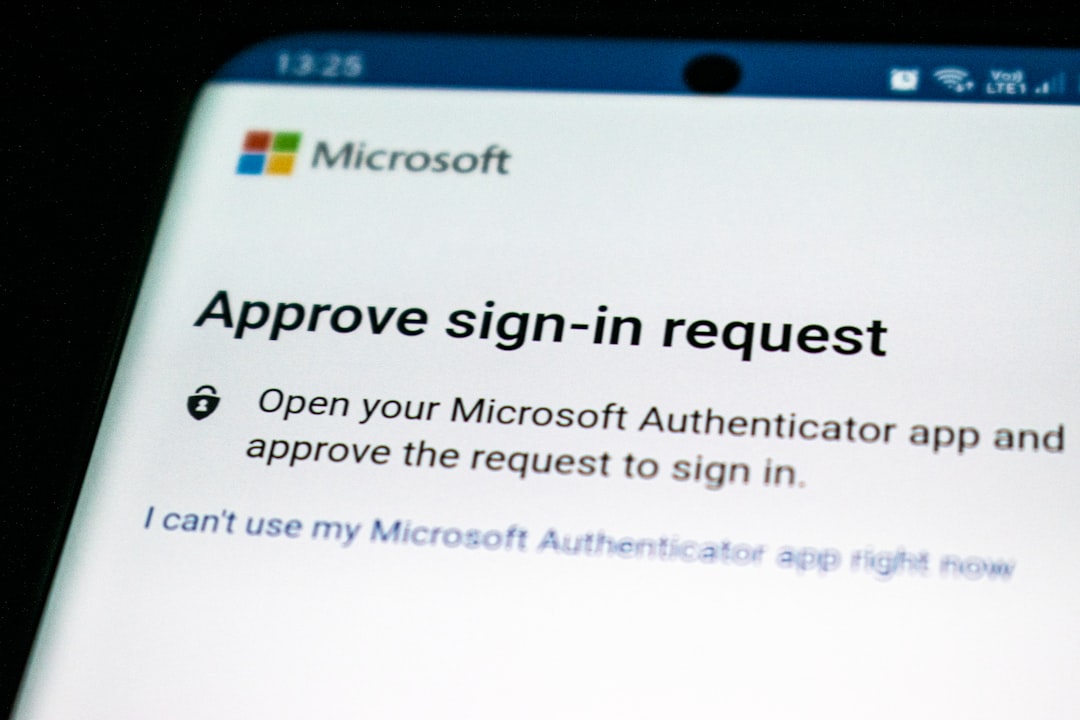
Stolen credentials are the primary vector for data breaches, making sole reliance on passwords a significant security liability. Implementing Multi-Factor Authentication (MFA) is one of the most effective endpoint security best practices, adding a critical layer of defense that drastically reduces the risk of unauthorized access.
Require multi-factor authentication to access areas of your network that have sensitive information. This is guidance directly from the Federal Trade Commission’s Cybersecurity for Small Business resource, one of the most reliable and free sources of actionable guidance available to any business, regardless of size.
The 6-Step Network Security Assessment Process
Step 1: Define Scope and Objectives
The first step in a network security assessment is to establish the scope and objectives you want to achieve. This includes the systems, applications, and network segments to be evaluated, what you want to find out about them, and how this will improve your security posture. Your objectives should be directly connected to business risks and compliance needs.
In practice, this means answering a few clear questions before anything else: Are you assessing the full network or just a specific segment? Are you trying to meet a compliance standard such as HIPAA or PCI DSS? Have you experienced a recent incident that needs investigation? The answers determine the depth, timeline, and tools you’ll need.
Step 2: Build a Complete Asset Inventory
Complete asset visibility is the foundation of effective security management. Without knowing what exists on the network, security teams operate blind to risks that could expose clients to breaches, compliance violations, and operational disruptions.
This step is more complex than it sounds. A thorough network assessment checklist begins with a complete and accurate inventory of all network infrastructure and a clear map of how it all connects. This crucial first step involves creating detailed documentation of your network’s physical and logical architecture. That means routers, switches, servers, workstations, IoT devices, mobile devices, everything. You can’t protect what you don’t know exists.
Pro Tip: Use automated discovery tools to generate your asset inventory. Manual spreadsheets are error-prone and go stale within weeks. Modern platforms can scan your entire network continuously and alert you the moment an unrecognized device connects.
Step 3: Vulnerability Scanning and Risk Analysis
Use automated tools to scan your network for known vulnerabilities. This includes outdated software, misconfigured settings, and open ports that could be exploited.
The vulnerability scan produces a prioritized list of weaknesses, ranked by severity and potential business impact. An accurate network vulnerability assessment follows a clear, established methodology: Planning and Scoping – defining what systems, networks, and wireless segments are in scope; Discovery – identifying live devices, services, and network paths; Vulnerability Detection – using automated and manual techniques to uncover flaws; Analysis – verifying results, reducing false positives, and prioritizing risks; Reporting and Remediation – documenting findings with remediation guidance.
Step 4: Penetration Testing
After identifying vulnerabilities, the next step in a network security assessment is to test whether your defenses can withstand real-world attacks using penetration testing. Unlike automated scans, penetration tests simulate how a real attacker would exploit weaknesses. This process validates whether misconfigurations, weak passwords, or poor segmentation could allow unauthorized access.
Black box testing simulates an external attacker with no system knowledge, gray box reflects an insider threat with limited access, and white box represents a fully informed tester evaluating internal defenses. For most organizations, a gray box test offers the best balance of realism and actionable findings.
Step 5: Compliance and Policy Review
A compliance security assessment helps ensure your organization avoids legal penalties, reputational damage, and costly breaches. To simplify this process, you can utilize industry frameworks to establish baselines for protecting sensitive data.
Policy Alignment: Confirm that existing security policies match industry standards and regulatory obligations. Access Control: Verify that the principle of least privilege is applied consistently across accounts, applications, and systems. Monitoring and Logging: Ensure logs are kept, regularly reviewed, and tied to incident response procedures. Third-Party Compliance: Assess whether vendors and partners with network access adhere to appropriate security standards.
Step 6: Remediation Planning and Continuous Monitoring
Cybersecurity is an ongoing process, and the final step focuses on maintaining network monitoring and risk management between assessments. Even after enhancing your defenses, you should continuously monitor networks to verify remediations and identify evolving threats. Establish a monitoring cycle and schedule regular security assessments, whether quarterly, annually, or after major changes, to maintain visibility over your infrastructure.
Pro Tip: The remediation report from your assessment should be treated as a project backlog, not a filing cabinet artifact. Assign owners to every finding, set deadlines, and track completion. A vulnerability left unpatched six months after being discovered is worse than no assessment at all because now you have documented awareness and no action.
Endpoint Security Basics: Your Most Overlooked Attack Surface
Why Endpoints Are Now Your Biggest Risk
Endpoint security is the practice of protecting devices that connect to your network, such as laptops, smartphones, tablets, and servers, from cyber threats. These devices, known as endpoints, are often the first targets for attackers seeking unauthorized access, data theft, or system disruption.
The scale of this problem has grown dramatically. The number of endpoints has increased exponentially over the last few years, as organizations adopt remote work and BYOD policies. This means the attack surface has also increased. Every new remote employee, every personal device connected to a company application, and every IoT device added to your office network expands the territory attackers can probe.
A recent report found 68% of organizations in the US experienced at least one endpoint-related attack. Therefore, endpoint security basics must be a core component of every network security assessment, not an afterthought.

Key Endpoint Security Practices
Maintain a Current Inventory: Knowing what devices connect to your network is the first step in protecting them. This includes computers, phones, servers, and IoT devices. Regular checks help identify new or unauthorized devices. Without a complete inventory, unknown devices might access your network without proper security controls.
Enforce Regular Patching: Unpatched vulnerabilities are one of the most common and easily exploited entry points for cybercriminals. Regular patch management is the systematic process of distributing and applying updates to software, firmware, and operating systems to fix security flaws and bugs. This proactive practice is a fundamental component of endpoint security best practices, as it closes the window of opportunity for attackers seeking to exploit known vulnerabilities.
Implement Endpoint Detection and Response (EDR): Modern endpoint protection platforms (EPPs) go beyond traditional antivirus software. They combine multiple security functions into a single solution. A network security assessment should specifically evaluate whether your current endpoint tooling provides behavioral analysis and automated response capabilities, rather than relying solely on signature-based antivirus, which can be evaded by modern threats.
Least Privilege Access at the Device Level: When combined with network segmentation, this approach creates powerful internal security boundaries that significantly limit an attacker’s ability to move laterally across your network if a single device is compromised. This layered defense strategy is a core component of a Zero Trust architecture. By treating every endpoint as its own protected zone, you can restrict access to sensitive data and critical systems, ensuring that a breach in one area does not cascade into a network-wide disaster.
Pro Tip: Apply the 3-2-1 backup rule to all endpoint data: three copies of data on two different media types, with one copy stored off-site. This single practice can be the difference between a recoverable ransomware incident and a business-ending one.
Healthcare Network Security: The Highest-Stakes Environment
Why Healthcare Is in the Crosshairs
No sector faces more severe consequences from a network security breach than healthcare, and the numbers prove it. The average cost of a healthcare data breach hit $11.2 million in 2025, a 35% jump over three years. For context, that’s more than double the global cross-industry average.
In 2024, a total of 444 reported incidents impacted healthcare, comprised of 238 ransomware threats and 206 data breach incidents. The consequences extend far beyond financial penalties. When healthcare systems go offline, patient care is directly jeopardized. The disruption caused chaos across the sector like no other event and uncovered the danger of concentration. Providers could not verify patients’ insurance, could not get paid, and both patient care and the financial stability of hospitals and clinics were diminished.
In 2024, 92% of healthcare providers reported at least one cyberattack, underscoring the urgent need for robust cybersecurity measures. Therefore, if you operate in healthcare, a network security assessment is not optional. It is the minimum responsible standard of care for your patients and your organization.
HIPAA and the Regulatory Dimension
Total U.S. HIPAA fines and settlements in 2024 amounted to $9,164,206, more than double the total from 2023. The HHS Office for Civil Rights has made clear that enforcement is accelerating, not slowing down.
In December 2024, HHS published a long-awaited proposed update to the HIPAA Security Rule that, if enacted, would require healthcare organizations to implement a range of measures to improve their security posture. The proposed update includes multifactor authentication, encryption for data at rest and in transit, mitigation of known vulnerabilities, network segmentation, maintenance of an accurate asset inventory, and cybersecurity testing.
Every item in that proposed rule update corresponds directly to a component of a thorough network security assessment. In other words, implementing a network security checklist helps organizations protect data integrity through enforced encryption, backups, and access controls, while also supporting compliance with frameworks like ISO, HIPAA, and GDPR.
The Third-Party Risk Problem in Healthcare
Fifty-eight percent of the 77.3 million individuals affected by data breaches in 2023 were affected by attacks on third-party healthcare providers, a 287% increase over 2022. This is perhaps the most critical and underaddressed finding in healthcare network security. Your own network may be locked down, but if your billing vendor, EHR provider, or medical device manufacturer has weak controls, attackers can enter through them.
Therefore, every healthcare network security assessment must include a thorough third-party vendor risk review, not just an internal scan.

What a Network Security Breach Actually Looks Like
The Anatomy of an Attack
Understanding how a network security breach unfolds helps organizations understand what an assessment is actually protecting against. The process rarely looks like a dramatic Hollywood-style hack. Most breaches follow a predictable, methodical pattern.
Data breaches happen through various mechanisms, often exploiting both technical vulnerabilities and human psychology: Phishing attacks trick employees into revealing sensitive information or credentials; social engineering manipulates people into breaking security protocols; malware infiltrates systems through seemingly innocent downloads; weak or stolen credentials provide direct access to sensitive systems; insider threats exploit legitimate access for malicious purposes.
Once inside, attackers don’t immediately trigger alarms. It takes an average of 241 days for security teams to identify and contain a data breach, according to IBM. Breaches involving lost or stolen credentials take 246 days to identify and contain. That’s over eight months of an attacker moving quietly through your network – reading emails, exfiltrating data, mapping your systems – before you even know they’re there.
The Financial and Reputational Fallout
The direct costs of a breach are significant, but they’re only part of the damage. The average cost of reputational damage or lost revenue from a data breach in 2024 was $1.47 million.
Reputational damage from a data breach often exceeds the direct financial costs. Organizations can see a reduction in potential business opportunities as prospective clients choose more secure competitors. Customer churn increases in the months following a breach announcement, where brand value can depreciate, requiring extensive marketing efforts to repair the organization’s reputation.
The Hiscox Cyber Readiness Report 2024 reveals that 43% of businesses lost existing customers because of cyberattacks. Therefore, every business leader needs to understand that a network security breach is a business crisis, not just a technical problem.
Pro Tip: Establish an incident response plan before you need one. 47% of SMBs lack an incident response plan. An incident response plan is your playbook for handling security incidents. It defines roles, establishes procedures, and ensures everyone knows what to do when an incident occurs. Testing that plan annually is part of a mature security posture and should be included in your assessment scope.
Common Mistakes That Undermine Network Security Assessments
Treating the Assessment as a One-Time Event
Security isn’t a one-and-done process. It requires ongoing evaluation and adaptation. One of the most frequent mistakes organizations make is conducting a network security assessment once and then filing the report until the next audit cycle. In practice, your network changes constantly. New devices connect, employees change roles, software is updated, and vendors gain and lose access.
Continuous assessment and automated scanning help organizations stay ahead of new exposures as networks evolve. The NIST Cybersecurity Framework 2.0, freely available from the National Institute of Standards and Technology, explicitly emphasizes continuous identification and monitoring as foundational functions, not annual events.
Ignoring the Human Layer
According to Verizon’s 2025 Data Breach Investigations Report, the human element is the most common threat vector, with 60% of breaches involving a non-malicious human element. This includes human error, social engineering scams, and misuse of privileges.
A network security assessment that only reviews firewalls and software patches while ignoring security awareness training, phishing susceptibility, and access policy enforcement is addressing symptoms while ignoring the root cause. Human error remains a leading cause of data breaches. Regular training programs empower employees to recognize phishing scams, create strong passwords, and follow secure practices, fostering a security-first culture within the organization.
Failing to Assess Third-Party Risk
SecurityScorecard research shows that 41.4% of ransomware cases are linked to exposed third-party breaches. Yet many assessments focus entirely on the organization’s own infrastructure, without evaluating vendors, suppliers, and partners with access to internal systems.
Your network now includes every vendor you use. Attackers will exploit gaps in your vendor ecosystem, so in 2025, your network assessment is incomplete unless it accounts for every vendor connected to it.
Pro Tip: Create a tiered vendor inventory: Tier 1 vendors (those with direct access to your most sensitive systems) should be assessed as rigorously as your own internal systems. Require security questionnaires and, for high-risk vendors, independent security certifications like SOC 2 Type II.
Underinvesting After the Assessment
Recovery times were even worse for companies that planned to cut back on cybersecurity spending. They faced an average of 68 incidents each – 70% above the average – and their recovery times stretched to 10.9 months, more than five months longer than those maintaining or increasing their budgets.
We’ve found that organizations often invest appropriately in the assessment itself but then treat the remediation phase as optional or “something we’ll get to next quarter.” This is a critical mistake. The assessment report without remediation action is not security; it’s liability documentation. You’ve now established that you knew about the vulnerabilities. Act on the findings.
Building a Network Security Roadmap After Your Assessment
Translating Findings Into Action
After your network security assessment is complete, you’ll have a prioritized list of vulnerabilities. The key is to transform that list into a structured, time-bound roadmap. Risk assessments help prioritize threats based on potential impact. These assessments are often part of a broader cybersecurity strategy that includes regular audits, security controls, and compliance requirements.
In our experience, the most effective post-assessment roadmaps organize findings into three buckets:
- Immediate (0 – 30 days): Critical vulnerabilities with high exploitability. Patch them now.
- Short-term (30 – 90 days): High-severity findings requiring policy or configuration changes.
- Strategic (90 – 180 days): Infrastructure improvements, training programs, vendor reviews, and tooling upgrades.
The Role of Managed Security Services
Consider partnering with a Managed Security Service Provider (MSSP). This allows you to outsource your cybersecurity to a team of dedicated experts. For many small businesses, this is far more cost-effective than hiring in-house staff and provides a much higher level of protection and peace of mind.
For organizations without a dedicated security team, providers like Datacate, Inc. can help assess, monitor, and maintain network security at a level that would otherwise require significant internal headcount to replicate. The question isn’t whether your organization needs security expertise – it’s whether that expertise lives inside your organization or is delivered through a trusted partner.
Organizations that identified breaches using their own security teams and tools had breach costs nearly $1 million lower on average than those identified by attackers. Proactive monitoring, whether internal or through a managed service, is the most direct lever you have for reducing breach costs.

Frequently Asked Questions
What is a network security assessment, and how is it different from a vulnerability scan?
A network security assessment is a detailed review of your IT systems, policies, and defenses to find weaknesses that could lead to a data breach or cyberattack. It helps you understand how well your current security measures are working and where you need to improve. A vulnerability scan is a component of that broader assessment. It’s the automated tool that identifies known software weaknesses. An assessment also includes policy reviews, access control audits, penetration testing, and compliance evaluation. Think of the vulnerability scan as one instrument in a complete diagnostic workup.
How often should a network security assessment be conducted?
A network security audit, performed at least once a year, is the process of proactively assessing the security and integrity of organizational networks. However, for organizations in regulated industries or those experiencing rapid growth, quarterly assessments are more appropriate. Additionally, you should trigger an out-of-cycle assessment any time there’s a major infrastructure change, a new vendor gains access to your systems, or a significant cyber incident occurs in your industry.
What does a network security assessment cost for a small business?
Costs vary significantly based on scope, methodology, and whether you use internal staff or an external firm. A basic vulnerability scan using automated tools can cost a few hundred dollars in software fees. A comprehensive assessment with penetration testing, compliance review, and a formal report from a qualified security firm typically costs $3,000 to $25,000 for a small- to mid-sized organization. The fundamental controls – password manager, MFA, employee training, and backups – cost less than $5,000 annually for most small businesses and provide the majority of risk reduction.
How does a network security assessment help with HIPAA compliance?
The HHS Office for Civil Rights explicitly requires covered entities to conduct a risk analysis of their electronic protected health information (ePHI). A network security assessment directly satisfies that requirement by systematically identifying where ePHI is stored, how it’s protected, and where vulnerabilities are present. The proposed HIPAA Security Rule updates include multifactor authentication, encryption for data at rest and in transit, mitigation of known vulnerabilities, network segmentation, maintenance of an accurate asset inventory, and cybersecurity testing, all of which are standard components of a comprehensive network security assessment.
What is the biggest single vulnerability most businesses miss?
In our experience, the answer is almost always third-party and vendor access. SecurityScorecard research shows that 41.4% of ransomware cases are linked to exposed third-party breaches. Businesses spend significant effort hardening their own systems and then grant a vendor remote access with minimal oversight or security validation. Every entity that connects to your network is a potential attack vector and should be included in your assessment scope.
Can I conduct a network security assessment myself, or do I need outside experts?
Schedule regular assessments, not just one-time checks; use both automated tools and manual testing for full coverage; prioritize high-risk assets and critical data first; involve stakeholders from IT, compliance, and leadership; and keep detailed documentation for audits and future reviews. For many network security basics, internal teams can conduct initial scans and policy reviews. However, penetration testing and compliance auditing typically require an independent third party to ensure objectivity. Attackers don’t have insider knowledge or organizational blind spots, and your testers shouldn’t either.
What should I do if my assessment reveals a critical vulnerability?
Act immediately. If a cybersecurity breach occurs, the most valuable commodity is response time. For critical findings, don’t wait for a scheduled maintenance window. Patch immediately, isolate affected systems if necessary, and document your remediation actions. Then work backward to understand how the vulnerability got there, whether through a missed patch cycle, a misconfiguration, or a vendor oversight, to prevent recurrence.
Sources
- Top Cybersecurity Statistics: Facts, Stats and Breaches for 2025 – Fortinet. Comprehensive aggregation of breach cost and attack frequency statistics. https://www.fortinet.com/resources/cyberglossary/cybersecurity-statistics
- 139 Cybersecurity Statistics and Trends [Updated 2025] – Varonis. Data on breach costs, human error rates, and insider threats. https://www.varonis.com/blog/cybersecurity-statistics
- Key Cyber Security Statistics for 2026 – SentinelOne. Healthcare breach costs, IoT attack rates, and financial sector data. https://www.sentinelone.com/cybersecurity-101/cybersecurity/cyber-security-statistics/
- Cost of a Data Breach Report 2024 – IBM/Ponemon Institute. The industry benchmark report for breach cost analysis. https://www.ibm.com/think/insights/cost-of-a-data-breach-2024-financial-industry
- Healthcare Cybersecurity Statistics 2024 – IS Partners LLC. Detailed analysis of ransomware, breach costs, and healthcare-specific vulnerabilities. https://www.ispartnersllc.com/blog/healthcare-cybersecurity-statistics/
- The Biggest Healthcare Data Breaches of 2024 – HIPAA Journal. Analysis of Change Healthcare and other major 2024 incidents. https://www.hipaajournal.com/biggest-healthcare-data-breaches-2024/
- Healthcare Data Breach Statistics – Updated for 2026 – HIPAA Journal. Longitudinal breach data and HIPAA enforcement trends. https://www.hipaajournal.com/healthcare-data-breach-statistics/
- 35 Cybersecurity Statistics to Lose Sleep Over in 2026 – TechTarget. Current threat landscape data including Verizon DBIR findings. https://www.techtarget.com/whatis/34-Cybersecurity-Statistics-to-Lose-Sleep-Over-in-2020
- How to Perform a Network Security Assessment In 10 Steps – Check Point. Step-by-step methodology for network assessments. https://www.checkpoint.com/cyber-hub/network-security/what-is-network-security/network-security-assessment/
- How Do You Perform an Effective Network Security Assessment? – SecurityScorecard. Coverage of hybrid infrastructure and third-party risk assessment. https://securityscorecard.com/blog/how-do-you-perform-an-effective-network-security-assessment/
- Network Security Assessment Checklist – Sterling Technology. Practical assessment process for business environments. https://www.sterling-technology.com/blog/network-security-assessment
- Network Security Assessment Checklist: 5 Steps to Eliminate Blind Spots – ConnectSecure. MSP-focused assessment methodology and asset discovery. https://connectsecure.com/blog/network-security-assessment-checklist-5-steps-to-eliminate-blind-spots
- Network Security Assessment: A Guide – FireMon. Comprehensive assessment methodology including penetration testing frameworks. https://www.firemon.com/blog/network-security-assessment-a-guide/
- 10 Essential Endpoint Security Best Practices (2025 Guide) – ManageEngine. Practical endpoint hardening guidance. https://www.manageengine.com/products/desktop-central/endpoint-security/best-practices.html
- 10 Essential Endpoint Security Best Practices for 2025 – Gamayaa. MFA, patching, and zero trust endpoint controls. https://gamayaa.com/endpoint-security-best-practices/
- Cybersecurity for Small Business – Federal Trade Commission (FTC). Official U.S. government guidance on small business network security. https://www.ftc.gov/business-guidance/small-businesses/cybersecurity
- Cybersecurity for Small Businesses – Federal Communications Commission (FCC). Network security basics from a U.S. government source. https://www.fcc.gov/communications-business-opportunities/cybersecurity-small-businesses
- Network Security 101: A Small-Business Roadmap for 2025 – Simply Business IT. Practical small business network security guide. https://simplybusinessit.ca/blog/network-security-101-a-small-business-roadmap-for-2025/
- The Real Cost of Data Breaches for Businesses – Help Net Security. Recovery timelines and the cost implications of reducing security spending. https://www.helpnetsecurity.com/2025/01/02/data-breaches-2024-reports/
- The 2025 Small Business Cybersecurity Checklist – Passwork. Incident response statistics and foundational control costs. https://passwork.pro/blog/cybersecurity-checklist/
- NIST Cybersecurity Framework 2.0 – National Institute of Standards and Technology. The authoritative U.S. framework for cybersecurity risk management. https://www.nist.gov/cyberframework
- HIPAA Security Rule – U.S. Department of Health and Human Services. Official HIPAA Security Rule requirements for covered entities. HHS Office for Civil Rights
- How Healthcare Cyberattacks Broke Records in 2024 – GovInfoSecurity. Analysis of the Change Healthcare breach and 2024 healthcare breach landscape. [https://www.govinfosecurity.com/how-healthcare-cyberattacks-broke