Your server closet is overheating, your power bills keep climbing, and your IT team spends more time nursing aging hardware than driving business value. You are not alone. The global colocation market is expected to grow 18.6% annually to reach $128.6 billion in 2026, and the industry recorded a compound annual growth rate of 16.8% between 2021 and 2025. Businesses of every size are making the move, and understanding what colocation actually is will help you decide whether your organization should be next.
This guide explains what a colo is, how it works, how it compares to your current options, and, most importantly, how to tell whether your business is genuinely ready for it.
Key Takeaways
- Colocation means renting space, not servers. You own and control your hardware; the provider runs the facility. This distinction drives every cost and control trade-off in the model.
- The market is growing fast for a reason. Enterprises are increasingly adopting colocation to navigate rising IT complexity while maintaining operational efficiency, especially as workloads become more data-intensive and latency-sensitive. If your workloads are growing, colo deserves a serious look.
- Uptime guarantees are the headline benefit. Colocation providers compete primarily on reliability, with uptime SLAs as the fundamental measure of service quality, and modern data centers are expected to guarantee at least 99.999% uptime, which translates to less than 26.3 minutes of acceptable downtime annually. Match that with your in-house setup.
- Pricing is more predictable than you think. A standard full rack (42U, 3-5 kW) runs about $900 to $2,500 per month all-in at a Tier 3 facility, often far less than the fully loaded cost of a comparable in-house environment.
- Compliance is a shared responsibility. In a colocation environment, compliance is shared between the provider and the client. Your provider secures the facility, but your equipment and software configuration remain your job.
Quick-Start Prioritization Framework
| Strategy | Best For | Effort Level | Time to Results |
|---|---|---|---|
| Single-rack retail colo | Small businesses with 1-5 servers | Low | 2-4 weeks |
| Multi-rack colo | Growing mid-size businesses | Medium | 4-8 weeks |
| Private cage or suite | Regulated industries, high-density workloads | Medium-High | 6-12 weeks |
| Managed colo | Teams without dedicated IT staff | Low (post-setup) | 4-6 weeks |
| Hybrid (colo + cloud) | Enterprises with mixed workloads | High | 8-16 weeks |
Start here if you are:
- A small business with aging in-house hardware: Single-rack retail colo gives you enterprise-grade power and cooling for a fraction of the cost of rebuilding your own server room.
- A mid-size company with compliance requirements: A private cage or managed colo arrangement is the fastest path to HIPAA, SOC 2, or PCI DSS alignment without building an in-house program from scratch.
- An enterprise evaluating hybrid infrastructure: By 2025, 85% of infrastructure strategies were expected to integrate on-premises, colocation, cloud, and edge delivery options, meaning a blended approach is quickly becoming the default.
What Exactly Is a Colo?
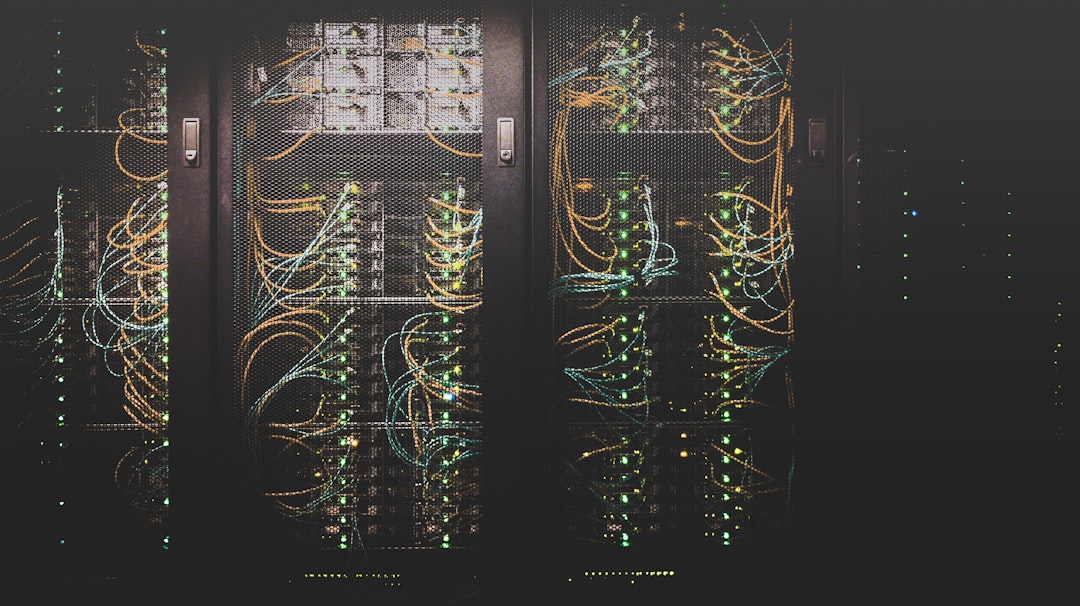
A colocation data center, sometimes called a “colo,” is a facility where multiple customers house their privately owned servers and computing hardware. The colocation provider owns and operates the building and all supporting infrastructure. Think of it as renting office space in a professionally managed building rather than buying your own property and handling every repair yourself.
The Division of Responsibilities
The colocation provider manages electrical systems, cooling equipment, physical security controls, and network connectivity. Data center operators manage the facility’s power, cooling, and security systems to ensure optimal performance and uptime.
Your organization, on the other hand, owns the servers, chooses the software stack, controls operating system configurations, and manages the data itself. In a colocation data center, you own the hardware and software; the colo provider ensures the facility meets strict uptime, redundancy, and security standards. This split is what makes colocation different from managed hosting, where the provider controls the hardware, and from public cloud, where the provider controls nearly everything.
The Three Space Options
Available spaces can range from individual server racks to dedicated cages or even private suites. Here is how those options break down in practice:
- Rack space (retail colo): You rent one or more rack units inside a shared cabinet. The most affordable entry point and ideal for smaller deployments.
- Dedicated cage: A locked, enclosed area within the facility housing your racks. Provides physical separation from other tenants, often required for regulated workloads.
- Private suite: A fully enclosed, lockable room within the data center. The highest-cost, maximum-control option, typically used by larger enterprises.
Pro Tip: There are over 1,000 colocation data centers in North America, and the differences between them are significant. Before shortlisting providers, identify which compliance certifications you need and use that list to filter. You will eliminate most mismatches before the first sales call.
How Colocation Compares to Your Other Options
On-premises data centers, colocation, and cloud computing are the three main ways a corporation can store and manage its data. Each has a distinct profile. Choosing the wrong one for your workloads is expensive to undo.
Colocation vs. On-Premises
Most businesses reach a point where the server closet is no longer enough, but building a real data center is wildly out of reach. Colocation exists for exactly that gap.
Pros:
- Enterprise-grade power, cooling, and physical security without capital construction cost
- Predictable monthly operating expense instead of large upfront capital spend
- Tier III and IV facilities deliver uptime and certifications most businesses cannot achieve in-house
- Scalable space, add racks as you grow without renovating your own building
Cons:
- Physical access to your hardware requires a trip to the facility
- You still own and are responsible for maintaining the hardware
- Monthly fees add up over long periods, potentially exceeding the cost of owned infrastructure for very stable, long-term workloads
- Less direct control over the physical environment compared to an entirely private facility
Colocation vs. Cloud
Cloud is often best for rapid scaling, colocation is ideal for businesses that want to own their hardware without running a data center, and on-premises infrastructure is best when you need maximum local control.
Pros:
- You own the hardware, so there is no per-resource usage billing that scales unpredictably
- For steady-state workloads, on-premises and colocation deliver similar total costs with significantly more flexibility; cloud can cost 60% more over five years for equivalent capacity
- Greater hardware customization, useful for specific compliance or performance requirements
- No vendor lock-in to a specific cloud provider’s APIs or service model
Cons:
- Requires capital investment in physical servers and networking gear
- Hardware refresh cycles fall on you, not the provider
- Colocations provide more flexibility than hyperscale clouds since businesses use and configure their own hardware and the software that powers it, but that flexibility also means more internal expertise required

The Infrastructure Behind a Colo: What You’re Paying For
Many businesses underestimate what a professional colo facility actually delivers. The monthly fee is not just for floor space.
Power and Redundancy
Most SLAs guarantee 99.99% power availability. Layered infrastructure backs that promise. These stringent uptime requirements demand robust energy infrastructure that goes far beyond traditional backup systems. N+1 redundancy, once considered adequate, has given way to 2N and even 2N+1 configurations for critical power components.
In practical terms, this means your servers stay on during a utility outage because the facility has uninterruptible power supply (UPS) systems and diesel generators, infrastructure most businesses cannot justify purchasing and maintaining independently.
Connectivity
Network connectivity is provided via redundant Internet connections with multiple carriers, ensuring network availability. Many colo facilities are also carrier-neutral, meaning you can connect to multiple internet service providers and cloud on-ramps directly from the same rack. Having low-latency access to many different network and cloud service providers all in one place makes it easier to expand connectivity and access innovative new services on demand.
Physical Security
Colo facilities use layered security: perimeter fencing, badge access, biometric readers, CCTV, and in many cases, man-trap entry systems. For a colocation customer, the data center provides the facility, power, cooling, physical security, and connectivity options, while the customer remains responsible for its own servers, operating systems, applications, and data.
Pro Tip: When evaluating a colo provider, ask for a physical walkthrough rather than a virtual tour. What you see in person, cable management, aisle temperatures, access control at the cage level, tells you far more than a spec sheet.
Compliance Certifications
Certifications such as ISO 27001, SOC 1, SOC 2, HIPAA, HITRUST, and PCI DSS validate that facility controls meet recognized standards. These certifications are audited independently, which means they carry real weight with your customers, auditors, and regulators.
A word of caution: HIPAA has no official certification body. Any facility claiming “HIPAA certified” is using marketing language. What matters is whether the facility executes a Business Associate Agreement (BAA), has documented physical safeguards, and has completed a third-party risk assessment. Always ask for the actual documentation, not just the label.
What Does Colocation Cost in 2026?
Colocation pricing in 2026 ranges from under $100 per month for a single 1U to $ 50,000+ per month for a dedicated private suite. That wide range makes budgeting feel impossible, but reliable benchmarks help.
Standard Enterprise Deployments
A standard full rack (42U, 3-5 kW) runs approximately $900 to $2,500 per month all-in at a Tier 3 facility, depending on market and term length. If your current server room costs include electricity, cooling, physical security, and even a fraction of an IT employee’s time, that monthly figure is often lower than you expect.
Colocation pricing is built on three main components: physical space (measured in rack units or cabinets), power consumption (measured in kilowatts), and cross-connects (the cables linking your equipment to your network). Request a quote that breaks all three out separately so you can compare providers on an apples-to-apples basis.
The Market Reality Right Now
Colocation pricing rose 6.6% year-over-year in H2 2025 according to CBRE data, a shift that reversed 15 years of declining rates. If your business is considering a colo move, locking in a term agreement sooner gives you more pricing leverage than waiting.
Pro Tip: Businesses can manage colocation expenses by carefully estimating their actual space, power, and bandwidth needs. Selecting the most suitable power billing model, reviewing contract terms for escalation clauses, and bundling services like cross-connects or remote hands into the monthly fee can reduce surprise costs.
Five Signs Your Business Is Ready to Move to Colocation
In my experience, businesses rarely move to colo too early; they move too late, after an avoidable outage or a compliance audit that exposed gaps in their in-house setup. Here are the clearest signals that it is time to act.
1. Your Power and Cooling Costs Are Climbing
As energy costs rise, adding cooling, electricity, maintenance, and physical security every time your business grows can significantly increase operating bills. If your facilities team is spending more on HVAC than your IT team would pay for a colo rack, the math has already shifted.
2. You Have Experienced Unplanned Downtime
Downtime is the most obvious and most expensive signal that your infrastructure has outgrown its environment. Whether it was a power flicker, an overheated server, or a failed UPS that no one knew needed maintenance, unplanned outages in an office server room are rarely isolated incidents. Calculate what one hour of downtime cost you in lost revenue, staff time, and customer trust, then compare that number to a monthly colo bill.
3. You Face Compliance or Audit Requirements
If your business operates in healthcare, finance, or any sector subject to data protection regulation, an in-house server room is increasingly difficult to certify. A good colocation provider also offers an easy way to meet compliance requirements, which get more complex every year.
4. Your IT Team Maintains Infrastructure Instead of Driving Strategy
A colocation data center helps solve facility problems and lets internal IT teams focus on business operations instead of facility-related issues. If your developers and engineers spend meaningful time on cooling, cabling, and power management, that is an expensive misallocation.
5. You Need to Scale Faster Than Your Facility Allows
Scalability is a significant advantage of a colocation data center. As businesses grow and change, their IT infrastructure must keep up. Multi-tenant data centers offer scalability options that let businesses quickly increase IT resources as needed, without managing expanded facility space and operations.
Common Colocation Mistakes to Avoid
Businesses often trip over the same issues when making the transition. Knowing them in advance saves time and money.
Choosing on Price Alone
Colocation data centers involve more than renting space, and not all providers are created equal. A facility that saves you $200 per month on rack fees but cannot produce a current SOC 2 Type II report is not a bargain; it is a compliance risk.
Ignoring the SLA Details
In the data center world, uptime SLAs are expressed as a percentage: 99.9% means your service can be down up to 8.7 hours per year, while 99.999% (the ‘five nines’ standard) allows only 5.26 minutes of downtime annually. That difference matters enormously for revenue-generating applications. Read the SLA before you sign, and pay particular attention to how outages are measured and what credits are offered. Most SLAs offer service credits for outages that breach the agreement, but those credits are often capped at a small percentage of monthly fees.
Underestimating Power Needs
Conflating the base capacity rate with the all-in rate is one of the most common budgeting mistakes buyers make. Always ask for a full cost breakdown, including power delivery, cross-connects, and any ancillary services, before signing a contract.
Not Planning for Physical Access
Once your equipment is in a colo facility, accessing it requires a site visit or a request for “remote hands” support from the facility’s staff. Plan your access needs ahead of time and confirm the provider’s remote hands policy, response times, and costs.
Frequently Asked Questions
What is the difference between colocation and managed hosting?
With colocation, you bring your own servers and retain full control over the hardware and software. With managed hosting, the provider owns the servers and manages them for you. In a colo arrangement, you typically configure and maintain your server, which lets you control all server settings. One of the main reasons businesses choose colocation is to move away from traditional in-house hosting while keeping the flexibility to manage their own equipment.
How much does colocation cost for a small business?
Colocation pricing in 2026 ranges from under $100 per month for a single 1U to $50,000 or more per month for a dedicated private suite. For a small business deploying a single server or partial rack, expect to pay $100 to $500 per month, depending on location and power requirements. A full rack at a Tier 3 facility typically runs $900 to $2,500 per month all-in.
Is colocation secure enough for regulated industries like healthcare or finance?
Yes, when you have the right provider and contract terms in place. Certifications such as ISO 27001, SOC 1, SOC 2, HIPAA, HITRUST, and PCI DSS validate that facility controls meet recognized standards and help auditors and regulators confirm that the environment supporting sensitive workloads is built and managed appropriately. However, compliance is shared: the facility covers the physical layer, and your organization is responsible for the software, data handling, and application-level controls.
What happens if my colocation provider has an outage?
Service level agreements may define uptime guarantees, power availability, cooling standards, and response times, and remedies if those standards are not met, typically on a tiered basis. Review the SLA before signing and confirm which service credits apply if the provider misses its commitments. Also verify that the facility has redundant power feeds, UPS systems, and generator backup, not just an uptime percentage on paper.
How do I choose the right colocation provider?
As a business owner, you need to know every detail about the total occupancy cost, including your deposit and monthly recurring charges. You must also understand what the agreement requires of you for the duration of your occupancy. Ask about tailoring your agreement to your unique needs, and before signing, understand precisely what your potential service provider offers. Beyond cost, prioritize certifications that match your regulatory obligations, redundancy levels that match your uptime requirements, and proximity to your team for physical access.
Is Your Business Ready? Here Is the Bottom Line
Colocation is the right move when your in-house infrastructure costs more to maintain than to outsource, when compliance requirements demand certified environments, or when your team’s time is better spent on product and growth than facility management.
For businesses in the Sacramento and Northern California region, Datacate, Inc. operates a purpose-built colocation facility in Rancho Cordova offering scalable options from single server racks to private cages. The facility holds HIPAA, SOC 2 Type II, SOC 3, and CSA STAR compliance certifications, making it a practical fit for businesses in regulated industries. Managed colocation options range from remote hands to comprehensive management, with dedicated internet access and blended bandwidth connectivity options from 100Mbps to 10Gbps.
The right time to evaluate colocation is before your next outage, not after it.
Sources
- Global Data Center Colocation Market Size and Forecast Q2 2026, ResearchAndMarkets. Market revenue and CAGR analysis through 2030. https://finance.yahoo.com/sectors/technology/articles/global-data-center-colocation-market-100500157.html
- What is Colocation? Data Center Comparison and FAQs, Equinix. Overview of colocation benefits and infrastructure strategy integration statistics. https://www.equinix.com/what-is-colocation
- What is a Colocation Data Center?, Flexential. Breakdown of provider and customer responsibilities. https://www.techtarget.com/searchdatacenter/definition/colocation-colo
- Data Center Colocation Market Report 2025-2030, MarketsandMarkets. Market size and enterprise adoption drivers. https://www.marketsandmarkets.com/Market-Reports/colocation-market-1252.html
- On-Prem vs. Colocation vs. Cloud: Which Is Right for 2026?, Databank. Total cost of ownership comparison and workload analysis. https://www.databank.com/resources/blogs/on-prem-vs-colocation-vs-cloud-which-is-right-for-2026/
- Colocation Pricing: What to Expect for Racks, Cabinets, and Cages in 2026, Inflect. Per-rack and per-kW pricing benchmarks citing CBRE H2 2025 data. https://inflect.com/blog/colocation-pricing-what-to-expect-for-racks-cabinets-and-cages-in-2026
- Data Center Colocation Pricing: 2026 Cost Per Rack and kW, Encor Advisors. Detailed breakdown of standard and high-density rack pricing. https://encoradvisors.com/data-center-colocation-pricing/
- Why Colocation Data Centers Need Smarter Energy Solutions, Hanwha Data Centers. Uptime SLA standards and redundancy configurations. https://www.hanwhadatacenters.com/blog/why-colocation-data-centers-need-smarter-energy-solutions/
- The Critical Role of SLAs in Ensuring Data Center Reliability, Databank. Uptime percentage definitions and service credit structures. https://www.databank.com/resources/blogs/the-critical-role-of-service-level-agreements-slas-in-ensuring-data-center-reliability/
- Data Center Colocation and Security: Key Factors, Flexential. Compliance certification frameworks and shared responsibility model. https://www.cologix.com/about-us/compliance-and-certifications/
- Compliance-Ready Colocation Providers, QuoteColo. HIPAA BAA requirements and PCI DSS assessor process. https://www.quotecolo.com/compliance-ready-colocation-providers/
- 7 Signs Your Business Needs a Colocation Data Center, WowRack. Infrastructure cost escalation signals and transition indicators. https://www.wowrack.com/en-us/blog/colocation/colocation-data-center/
- Signs It’s Time to Move to a Multi-Tenant Colocation Data Center, Databank. Scalability and compliance triggers for the colo decision. https://www.databank.com/resources/blogs/how-to-know-its-time-to-move-your-it-infrastructure-to-a-multi-tenant-colocation-data-center/
- Compliance in the Data Center: Meeting Regulatory Standards, Datacate, Inc. Shared compliance responsibility and HIPAA/PCI DSS guidance. https://www.datacate.net/compliance-in-the-data-center-meeting-regulatory-standards/
- Colocation at Our Rancho Cordova, CA Data Center, Datacate, Inc. Facility specifications, certifications, and connectivity options. https://www.datacate.net/colocation/
- Data Center Colocation Explained, CNIC Solutions. Plain-language explanation of the colo model versus cloud and on-premises. https://cnicsolutions.com/infrastructure-management/data-center-colocation-explained/
- Colocation Pricing 2026: Rack, Cabinet, Cross-Connect, and the Hidden Costs, Offshore Server Hosting. Per-kW pricing trends and CBRE rate data. https://www.cbre.com/insights/books/north-america-data-center-trends-h2-2025